techniques

Top Fabric Painting Techniques

As you explore the world of fabric painting, you’ll discover various methods to enhance your creations. You can achieve unique, professional-looking results by mastering different techniques. Your fabric painting skills will improve with practice and experimentation. You’ll learn to select the right tools, prepare your fabric, and apply paint with precision. With these techniques, you’ll unlock new creative possibilities and take your fabric painting to the next level, producing stunning pieces that reflect your personal style and artistic vision.

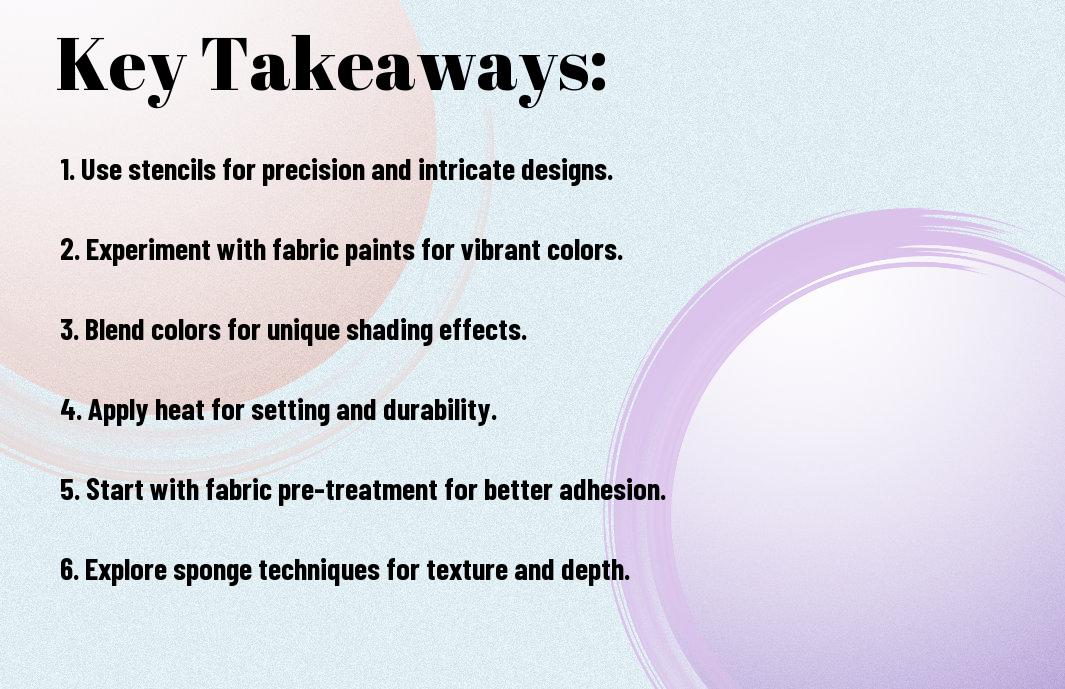
Key Takeaways:

To achieve professional-looking results in fabric painting, consider the following techniques:

  • Using resist methods, such as wax or starch, to create unique and intricate designs on fabrics like silk or cotton.
  • Applying layering techniques to build up colors and textures, allowing for greater control over the final appearance of the painted fabric.
  • Experimenting with blending methods, such as wet-on-wet or glazing, to achieve subtle, nuanced color transitions and shading effects in fabric paintings.

Preparing the Fabric

Your fabric painting journey begins with preparing the fabric, and this step is crucial to achieve the desired results. You need to choose the right fabric, prepare it for painting, and treat it to ensure the paint adheres well and lasts long.

Choosing the Right Fabric

Across various types of fabrics, you’ll find that natural fibers like cotton, linen, and silk work best for fabric painting. You can select a fabric that suits your project, considering factors like texture, weight, and color.

Pre-Treatment Methods

On the surface of your fabric, pre-treatment methods can make a significant difference. You can use methods like washing, drying, and ironing to prepare your fabric for painting, which helps to remove finishes and relax fibers.

Considering the type of fabric you’ve chosen, you may need to use specific pre-treatment methods. For example, you can use a fixative to prevent colors from bleeding or a fabric primer to create a smooth surface for painting. By doing so, you’ll ensure that your paint adheres well and your design turns out vibrant and long-lasting.
Basic Painting Techniques

Even if you’re a beginner, you can achieve professional-looking results with fabric painting by mastering the basics. You’ll need to understand color theory, brush strokes, and fabric preparation to get started.

Hand-Painting

Although hand-painting requires skill and patience, you can create unique designs with practice. You’ll be able to express your creativity and add personal touches to your projects.

Stenciling

By using stencils, you can add intricate designs and patterns to your fabric with ease. You’ll find that stenciling is a great way to achieve crisp, sharp lines and detailed designs.

Considering the variety of stencils available, you can choose from simple to complex designs, depending on your project’s requirements. You can use stencils to create repeat patterns, borders, or even entire scenes, making it a versatile technique to add to your fabric painting repertoire. You’ll be able to experiment with different stencil materials, such as plastic or metal, to achieve the desired effect on your fabric.
Advanced Techniques

Not for beginners, these methods take your fabric painting to the next level:

  1. Shibori
  2. Batik
Technique Description
Shibori Resist dyeing
Batik Wax resist

Ombre Effect

Across the fabric, you can achieve a gradual color transition by layering paints, creating a stunning ombre effect that adds depth to your work.

Resist Method

Behind the resist method lies a simple technique: applying a resist agent to your fabric before painting, allowing you to create unique, intricate designs.

Advanced techniques like the resist method require practice, but with patience, you can master the process, experimenting with different resist agents and paint combinations to achieve your desired effects, taking your fabric painting to new heights, and enabling you to create complex, multicolored designs that showcase your skill and artistry.

Design and Pattern Creation

For creating unique designs, you can visit 10 Practical Tips for Fabric Painting to explore various techniques. This will help you to enhance your fabric painting skills and create stunning designs.

Free-Hand Design

Around the time you start painting, you’ll find that free-hand design allows you to express your creativity freely, enabling you to bring your imagination to life on the fabric.

Geometric Patterns

Among the various patterns you can create, geometric patterns are a popular choice, offering a wide range of possibilities for your fabric painting projects.

At the heart of geometric pattern creation lies the use of shapes, such as triangles, squares, and circles, which you can arrange to form complex and beautiful designs, allowing you to add your personal touch to your fabric painting projects, and with practice, you’ll be able to create intricate patterns that elevate your work to the next level.

Color Selection and Mixing

To achieve vibrant and unique designs, you need to understand the fundamentals of color selection and mixing. You will learn how to choose the perfect colors for your fabric painting project and create custom hues that enhance your artwork.

Color Theory Basics

Against a backdrop of color theory, you will discover how to select colors that complement each other, creating a visually appealing palette for your fabric painting. You will understand the color wheel and how to use it to choose harmonious colors.

Mixing Custom Colors

Behind the art of mixing custom colors lies a simple technique that you can master with practice. You will learn how to combine different colors to create unique shades and tints that add depth to your fabric painting.

But as you investigate deeper into mixing custom colors, you will find that the possibilities are endless, and you can experiment with various techniques to achieve the desired effects. You can mix colors to create subtle pastels, rich jewel tones, or bold neons, depending on your artistic vision and the mood you want to convey in your fabric painting.

Special Effects and Finishing Touches

All the techniques you’ve learned so far can be enhanced with special effects and finishing touches, taking your fabric painting to the next level. You can experiment with different methods to achieve unique results, making your artwork truly personalized.

Adding Textures

Above all, adding textures can give your fabric painting depth and dimension, allowing you to create intricate and interesting designs. You can use various materials like fabric paint, glue, or even found objects to achieve the desired texture.

Sealing the Paint

Alongside protecting your artwork, sealing the paint ensures your fabric painting lasts longer and withstands wear and tear. You can use a fabric sealant or varnish to protect your design and make it more durable.

Among the various options available for sealing your paint, you can choose a spray or brush-on sealant, depending on your preference and the type of fabric you’re working with. You can also consider using a fixative to prevent the paint from smudging or fading, giving your artwork a professional finish and making it easier to care for.

Final Words

As a reminder, you now have the knowledge of top fabric painting techniques at your fingertips. You can apply these methods to create unique and personalized items, elevating your artistic skills. With practice, you will master your skills, and your fabric paintings will become truly exceptional, reflecting your style and creativity. You will be able to experiment with different techniques, making your projects stand out, and showcasing your artistic talent.

FAQ

Q: What are the basic supplies needed for fabric painting?

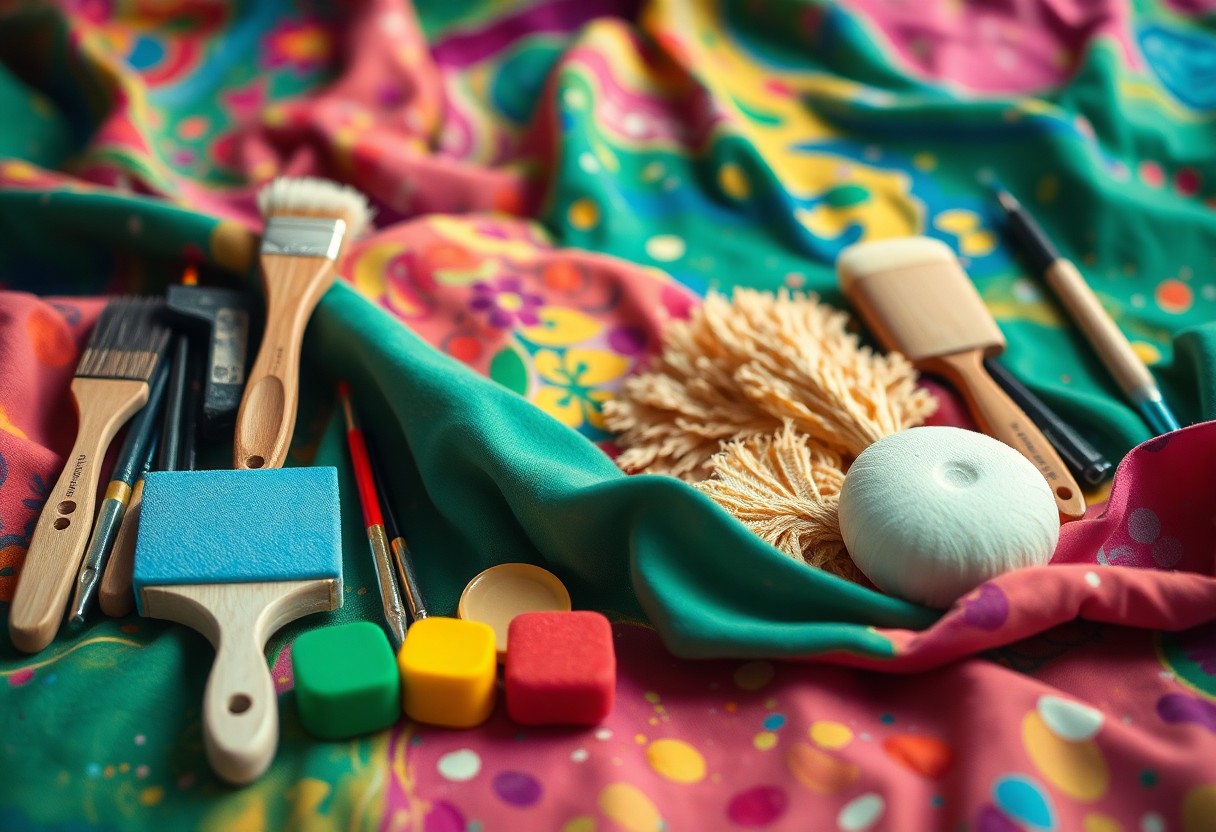
A: To get started with fabric painting, you will need a few basic supplies, including high-quality fabric paint, a paintbrush or sponge, a palette or plate for mixing colors, a cup of water, and a piece of fabric to paint on. It’s also a good idea to have a smock or apron to protect your clothing, as well as a well-ventilated workspace. Additionally, you may want to consider using a stabilizing material, such as interfacing or freezer paper, to help keep your fabric smooth and prevent it from stretching or distorting while you work.

Q: What are some popular fabric painting techniques for creating unique designs?

A: There are several popular fabric painting techniques that can be used to create unique and interesting designs, including tie-dye, shibori, and resist dyeing. Tie-dye involves folding or pleating the fabric to create resistance areas, and then applying dye to the folded fabric. Shibori is a Japanese technique that involves folding or twisting the fabric to create intricate patterns and designs. Resist dyeing involves applying a resist, such as wax or starch, to the fabric before applying dye, to create intricate and detailed designs.

Q: How do I prepare my fabric for painting?

A: Before painting on fabric, it’s a good idea to pre-wash and dry the fabric to remove any finishes or impurities that may affect the paint’s adhesion. You should also iron the fabric to remove any wrinkles, and consider applying a stabilizing material, such as interfacing or freezer paper, to the back of the fabric to help keep it smooth and prevent it from stretching or distorting while you work. Additionally, you may want to consider using a primer or gesso to create a smooth, even surface for painting.

Q: What are some tips for achieving vibrant and long-lasting colors when painting on fabric?

A: To achieve vibrant and long-lasting colors when painting on fabric, it’s a good idea to use high-quality fabric paint that is specifically designed for the type of fabric you are working with. You should also follow the instructions on the paint label carefully, and make sure to apply thin, even coats of paint, allowing each coat to dry completely before applying the next. Additionally, you may want to consider using a fixative or sealant to help set the colors and prevent them from fading or running over time.

Q: How do I care for and maintain my fabric painting after it’s complete?

A: To care for and maintain your fabric painting, you should avoid washing it in hot water or using harsh detergents, as these can cause the colors to fade or run. Instead, wash the fabric in cold water using a mild detergent, and allow it to air dry. You should also avoid exposing the fabric to direct sunlight or high temperatures, as these can cause the colors to fade or degrade over time. Additionally, you may want to consider applying a fabric finisher or textile sealant to help protect the fabric and extend its lifespan.
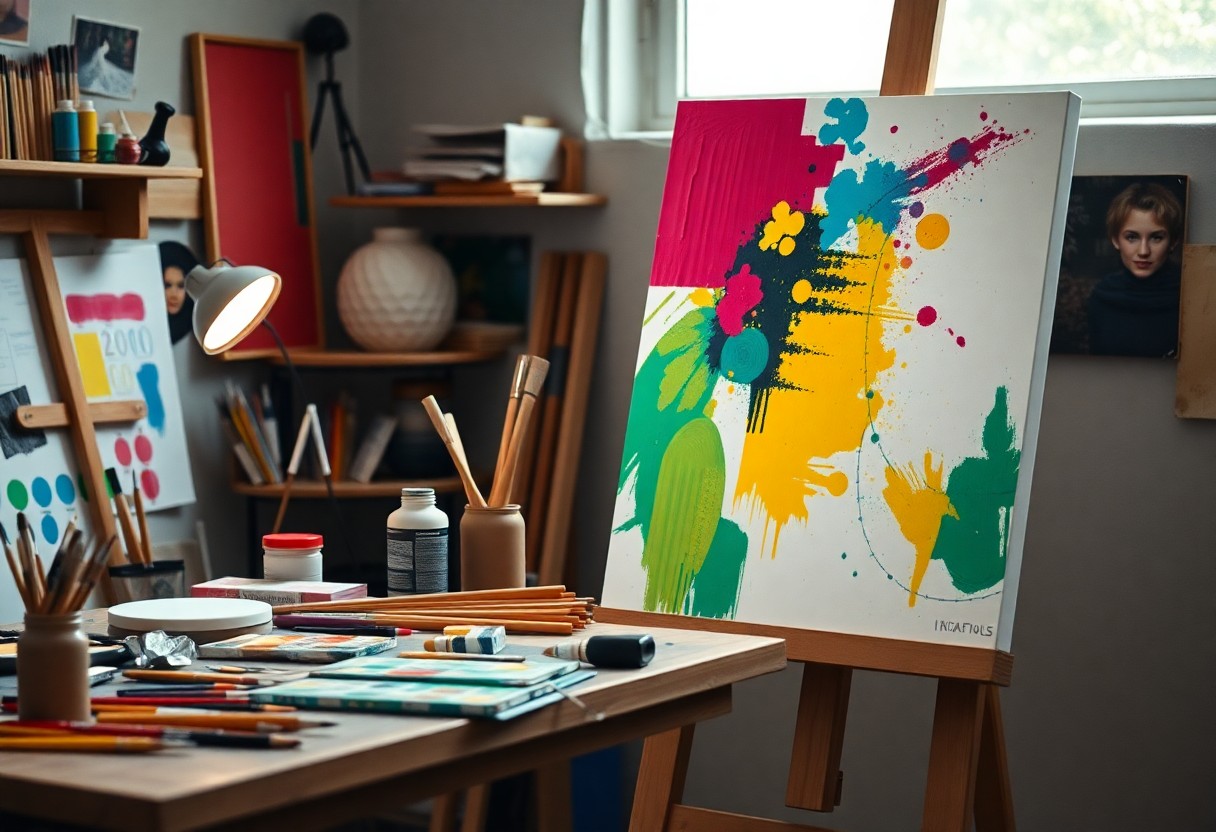
DIY Painting Techniques for Beginners

As you launch on your painting journey, you’ll discover the joy of creating something beautiful with your own hands. You’ll find that with a few simple techniques, your brushstrokes will come alive, and your canvas will transform into a stunning work of art. Your creativity will flourish as you experiment with different styles and methods, and you’ll be amazed at how easy it is to get started. You’ll learn to unlock your full potential and bring your unique vision to life, one brushstroke at a time, in a fun and relaxing way.

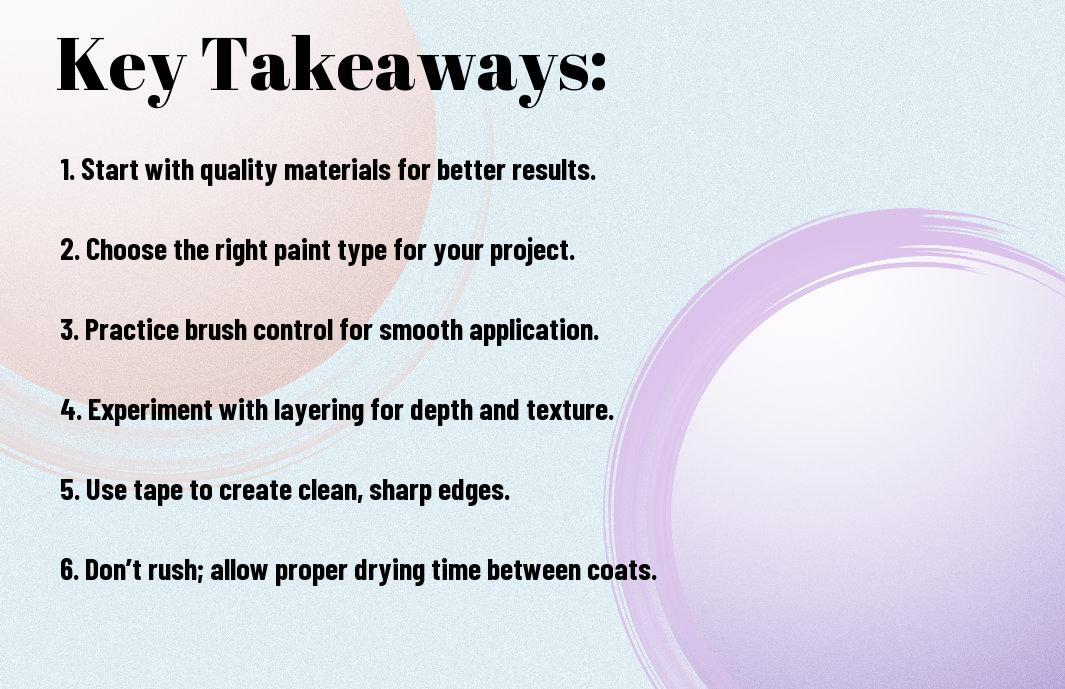
Key Takeaways:

To get started with DIY painting, consider the following points:

  • Start by preparing the surface with primer and sanding to ensure a smooth finish and even paint application.
  • Choose the right brushes and rollers for your project, as they can greatly affect the final result and make the painting process easier.
  • Experiment with different techniques, such as layering and blending, to achieve unique effects and add depth to your painting.

Preparation

While getting started with DIY painting, you’ll want to set yourself up for success. Start by gathering your materials and clearing a workspace, allowing you to focus on the creative process.

Choosing the Right Tools

One of the most important steps is selecting the tools that feel right for you, such as comfortable brushes and a suitable canvas, to help you achieve your desired outcome.

Selecting Colors and Brushes

Tools like brushes and paints will be your foundation, so take your time to explore different types and brands, considering your personal preferences and the effect you want to achieve in your artwork.

Understanding your color palette and brush selection is key to bringing your vision to life. You’ll want to consider the mood and atmosphere you’re trying to create, and choose colors and brushes that will help you get there, allowing your unique style to shine through in your painting.

Basic Techniques

Some basic painting techniques are imperative to get you started on your artistic journey. You’ll be amazed at how quickly you can pick up these skills and start creating beautiful works of art. With a little practice, you’ll be well on your way to becoming a confident painter.

Applying a Base Coat

Before you begin painting, make sure to apply a base coat to your surface. You’ll want to choose a color that complements the hues you plan to use in your design, and apply it evenly to create a smooth foundation for your art.

Creating Texture and Patterns

Any artistic element can be enhanced with texture and patterns. You can use various tools and materials to add depth and visual interest to your painting, such as sponges, brushes, or even household items.

Considering the many ways you can create texture and patterns, you can experiment with different techniques to find what works best for your style. You can use layering, scraping, or stamping to achieve unique effects, and don’t be afraid to try new things – it’s all part of the creative process, and you might be surprised at the amazing results you can achieve.

Advanced Techniques

Your painting skills are now ready to take on more complex methods. Consider the following:

  1. Color mixing
  2. Layering
Technique Description
Wash Transparent layer of paint

Blending and Shading

To achieve a smooth transition between colors, you will need to practice blending and shading. Start by layering thin coats of paint, gradually building up to your desired shade.

Adding Details and Finishing Touches

After you have completed your painting, you can add details such as textures or patterns to give it a personal touch. This is where you can get creative and make your painting truly unique.

Further, when adding details and finishing touches, you will find that it’s all about experimentation and having fun. You can try out different tools, like sponges or brushes, to create interesting effects and add depth to your painting. As you work, you’ll discover what works best for you and your style, and that’s the beauty of the process.

Common Mistakes

Unlike experienced painters, you may encounter some mistakes as a beginner. You can learn from others by checking out 14 Acrylic Painting Techniques That Beginners Should Know to improve your skills.

Avoiding Bleeding and Streaks

Across the canvas, you’ll want to maintain even strokes to prevent bleeding and streaks, ensuring your painting looks smooth and professional.

Fixing Errors and Imperfections

About the time you notice mistakes, don’t worry, you can fix them. You’ll learn to touch up errors and imperfections with ease.

Common mistakes can be frustrating, but you can easily fix them. As you practice, you’ll develop techniques to correct errors, such as using layers to cover up bleedings or streaks, and your paintings will become more polished and beautiful, just like you envisioned them to be, and with patience and practice, you’ll master the art of fixing errors and imperfections in your paintings.

Safety Precautions

All painting projects require some basic safety precautions to ensure your well-being. You’ll want to take a few simple steps to protect yourself from potential hazards.

Working with Chemicals and Fumes

Among the most important considerations is ventilation, as you’ll be working with chemicals and fumes that can be harmful if inhaled. You should always paint in a well-ventilated area.

Protecting Skin and Eyes

The key to protecting your skin and eyes is to cover up and wear protective gear, such as gloves and goggles, to prevent exposure to paint and chemicals. You’ll feel more confident and secure as you work.

Further protection for your skin and eyes can be achieved by wearing long sleeves and pants, and keeping your hair tied back. You can also apply a barrier cream to your skin to prevent paint from adhering to it, and keep a first aid kit nearby, just in case.

Project Ideas

After mastering the basics of DIY painting, you’ll be eager to start working on your own projects. You can explore various ideas, from refreshing old furniture to creating unique artwork, to add a personal touch to your space.

Painting Furniture and Decor

Before you begin, consider the pieces you want to revamp, and think about the style and color scheme you want to achieve. You can upcycle old furniture, add a fresh coat of paint to your walls, or decorate small accessories to give your space a cohesive look.

Creating Art and Masterpieces

Along with practicing your painting skills, you can start creating your own art pieces, from landscapes to abstract designs. You can experiment with different techniques, colors, and materials to produce unique masterpieces that reflect your personality.

Consequently, as you continue to explore your creativity, you’ll find that your art evolves, and you’ll develop your own style. You’ll be able to express yourself through your paintings, and your masterpieces will become a reflection of your journey as an artist, allowing you to showcase your growth and talent in a beautiful and meaningful way.

Final Words

On the whole, you’ve now got a solid foundation in DIY painting techniques to get your creative journey started. As you continue to practice, your skills will grow, and so will your confidence. You’ll find that with each new project, your unique style will begin to shine through, and that’s something to be proud of. Keep experimenting, and most importantly, have fun with the process, and you’ll be creating beautiful works of art in no time.

FAQ

Q: What are the basic materials needed to get started with DIY painting for beginners?

A: To start with DIY painting, you will need a few basic materials, including a paintbrush, roller, paint tray, paint, drop cloths, and a palette or plate for mixing colors. It’s also a good idea to have a variety of paintbrushes in different sizes and shapes, as well as a paint scraper or putty knife for smoothing out surfaces. Additionally, make sure you have a well-ventilated workspace and a source of water for cleaning your tools.

Q: How do I prepare a surface for painting, and what are the steps involved in the process?

A: Preparing a surface for painting involves several steps, including cleaning the surface to remove dirt, grime, and grease, fixing any holes or cracks with spackling compound, and sanding the surface to smooth out any rough edges. After sanding, you should wipe away any dust or debris with a damp cloth, and then apply a primer if necessary. Finally, allow the primer to dry completely before applying your first coat of paint. This will ensure a smooth, even finish and help your paint job last longer.

Q: What are some common DIY painting techniques for beginners, and how can I achieve them?

A: Some common DIY painting techniques for beginners include stippling, which involves applying small dots of color to create a textured effect, and dragging, which involves using a almost-dry brush to create a soft, blended look. You can also try sponging, which involves applying paint to a sponge and then dabbing it onto the surface to create a mottled effect. To achieve these techniques, experiment with different brushstrokes and tools, and don’t be afraid to practice on a small, inconspicuous area first.

Q: How can I choose the right color palette for my DIY painting project, and what are some popular color combinations?

A: Choosing the right color palette for your DIY painting project involves considering the mood and atmosphere you want to create, as well as the natural lighting and existing decor of the space. You can find inspiration in nature, art, or design blogs, or use online color picker tools to help you select a palette. Some popular color combinations include monochromatic, which involves using different shades of the same color, and complementary, which involves pairing colors that are opposite each other on the color wheel. You can also try analogous, which involves using colors that are next to each other on the color wheel, for a harmonious and soothing effect.

Q: What are some common mistakes to avoid when it comes to DIY painting, and how can I fix them if they happen?

A: Some common mistakes to avoid when it comes to DIY painting include applying too much paint at once, which can result in drips and uneven coverage, and not allowing the paint to dry completely between coats, which can cause the paint to peel or blister. To fix these mistakes, try using a paint scraper or putty knife to remove excess paint, and then sand the surface to smooth out any rough edges. You can also try applying a touch-up coat of paint to cover any imperfections, or using a paint pen to fix small mistakes. To avoid mistakes in the first place, make sure to follow the instructions on the paint can, and take your time when painting to ensure a smooth, even finish.

Top Leather Crafting Techniques

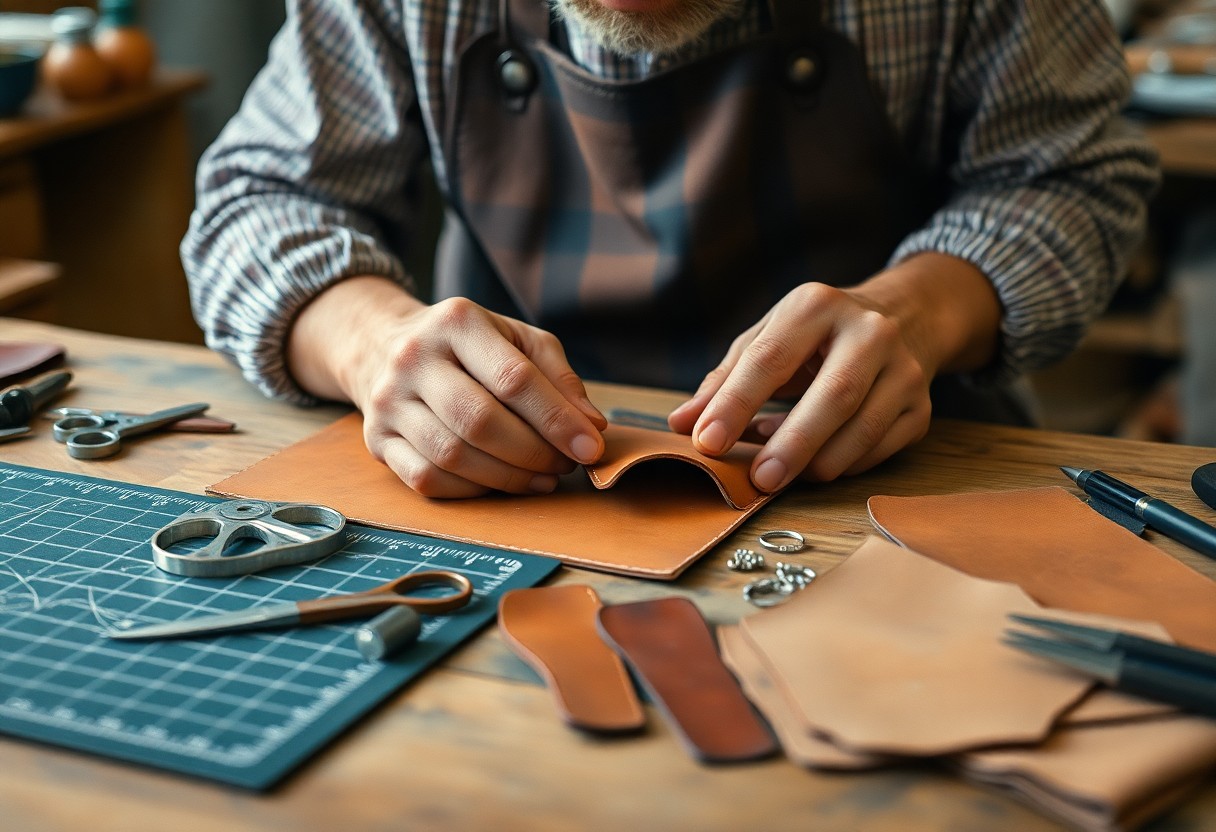
You’re about to look into the world of leather crafting, where precision and patience are key. Your hands will shape and mold the leather, bringing your ideas to life. With the right techniques, you’ll be able to create items that are both functional and beautiful. You’ll learn to cut, stitch, and finish your leather projects like a pro, giving you the skills to take your crafting to the next level and create something truly unique.

Key Takeaways:

To master the art of leather crafting, here are the main points to consider:

  • Understanding Leather Selection is key to a successful project, as different types of leather have unique characteristics and uses, such as Full-Grain Leather for durability and Suede Leather for a soft, luxurious finish.
  • Developing Tooling Skills is crucial for creating intricate designs and patterns on leather, including Stitching, Stamping, and Carving, which require practice and patience to master.
  • Mastery of Finishing Techniques is vital to achieve a professional-looking result, including Dyeing, Conditioning, and Sealing, which help to enhance the appearance and Water Resistance of the leather.

Basic Leather Crafting Tools

While working with leather, you’ll need the right tools to achieve professional results. Your toolkit will depend on the project and your level of expertise.

Essential Tools for Beginners

For starters, you’ll need basic tools like a leather cutter, edge beveler, and Awl. These will help you cut, shape, and puncture holes in your leather.

Advanced Tools for Experienced Crafters

Above all, your advanced toolkit will include:

  1. Leather stitcher
  2. Edge creaser
Leather Crafting Tools
Tool Description
Leather cutter Cuts leather accurately

You’ll use these tools to refine your leather work and add intricate details.

Considering your advanced skills, you’ll want to invest in:

  1. Leather skiver
  2. lekz increasesr
Advanced Leather Tools
Tool Purpose
Leather stitcher Creates consistent stitches

You’ll appreciate the precision and control these tools offer, allowing you to take your leather crafting to the next level.

Leather Preparation Techniques

If you’re looking to create high-quality leather goods, you need to start with the right preparation techniques. You’ll be working with a durable material, but it still requires attention to detail to get the best results.

Cutting and Shaping Leather

Behind every well-made leather item is a careful cutting and shaping process. You’ll need to use sharp tools and precise measurements to get the desired shape and size for your project.

Conditioning and Finishing Leather

Finishing touches are what set your leather goods apart. You’ll need to condition and finish your leather to bring out its natural beauty and durability, using techniques that enhance its texture and appearance.

Consequently, as you work on conditioning and finishing your leather, you’ll find that it becomes more supple and develops a rich patina. You can use various techniques, such as applying oils or waxes, to protect the leather and give it a unique character that reflects your craftsmanship.

Stitching and Embellishments

Keep in mind that stitching and embellishments can make or break your leather craft. You need to balance your design with the right stitching patterns and embellishments to create a cohesive look.

Simple Stitching Patterns

For beginners, simple stitching patterns like the running stitch or backstitch are a good starting point. You can use these patterns to create a classic look for your leather craft.

Advanced Embellishments and Designs

Beside the basic stitching patterns, you can add advanced embellishments like:

  1. Beading
  2. Tooling

Embellishments Table

Technique Description
Beading Adding beads to your design
Tooling Using tools to create designs on leather

You can experiment with different techniques to create unique designs.

A key aspect of advanced embellishments and designs is experimentation. You can try out different techniques like:

  1. Stenciling
  2. Pyrography

Advanced Table

Technique Description
Stenciling Using stencils to create designs
Pyrography Using heat to create designs on leather

As you practice, you will develop your own style and techniques for advanced embellishments and designs.

Leather Working Methods

After exploring the basics, you’ll find various techniques to enhance your craft. Check out Techniques : r/Leathercraft for more ideas.

Molding and Shaping Leather

By applying heat and pressure, you can mold leather into desired shapes, creating unique pieces that fit your needs.

Joining and Attaching Leather Pieces

After cutting out your leather pieces, you’ll need to join them together, using methods like stitching or adhesive to create a strong bond.

Molding your leather working skills takes time, and joining pieces is a fundamental part of it. You’ll learn to choose the right thread, needle, and technique to securely attach your leather pieces, ensuring your project is both functional and visually appealing, as you progress in your craft, your skills will become more refined.

Troubleshooting Common Issues

Your leather crafting project can be plagued by various issues, but with the right techniques, you can overcome them and achieve professional-looking results.

Fixing Tears and Holes

Behind every successful leather craft lies a good understanding of how to fix mistakes, and you can repair tears and holes by using a leather patch or stitches to reinforce the area.

Solving Adhesion Problems

With the right adhesive and techniques, you can ensure a strong bond between leather pieces, and you should experiment with different adhesives to find the one that works best for your project.

Hence, solving adhesion problems requires patience and practice, and as you work with different leathers and adhesives, you will develop the skills to identify and solve adhesion issues, allowing you to complete your projects with confidence and precision, and you will be able to achieve a level of craftsmanship that you can be proud of.

Advanced Leather Crafting Projects

All advanced leather crafting projects require patience and skill.

  1. You will work with complex designs
  2. and patterns
Project Difficulty
Bag High
Wallet Medium
Shoes High
Low
Watch strap Medium

Creating Complex Designs and Patterns

The key to creating complex designs is to break them down into simpler components. You will use your skills to craft unique items.

Working with Different Types of Leather

Against the grain, you will work with various leathers.

  • Full-grain leather
  • Top-grain leather
  • Suede
Leather Type Characteristics
Full-grain Durable
Top-grain Strong
Suede Soft
Aniline Supple
Pigmented Water-resistant

Recognizing your leather type is key to your project’s success.

Plus, as you work with different types of leather, you will develop your skills.

  • Full-grain leather is durable
  • Top-grain leather is strong
  • Suede is soft
Leather Type Use
Full-grain Bag
Top-grain Shoes
Suede Jacket
Aniline Wallet
Pigmented Belt

Recognizing the characteristics of each leather type will help you choose the right one for your project.

Final Words

Conclusively, you’ve learned the top leather crafting techniques. You can now apply your skills to create quality leather products. Your hands will shape and mold the leather into something unique. With practice, your craftsmanship will improve, and you’ll develop your own style. You’ll be able to make leather goods that are both functional and beautiful, a testament to your dedication to the craft.

FAQ

Q: What are the basic tools required for leather crafting?

A: To start leather crafting, you will need a few necessary tools, including a leather cutter or leather shears, a leather mallet, an edge beveler, and a stitching awl. Additionally, having a work surface, such as a leather crafting mat or a cutting mat, can help protect your workspace and prevent damage to your tools and leather. You may also want to invest in a set of leather stamps or embossing tools to add decorative elements to your projects.

Q: How do I choose the right type of leather for my project?

A: Choosing the right type of leather for your project depends on the desired look, feel, and durability of the finished product. Full-grain leather is a popular choice for many projects, as it is strong and develops a beautiful patina over time. Top-grain leather is another option, which is sanded and finished to create a smooth, uniform surface. Suede and nubuck leathers are great for projects that require a soft, velvety texture, while leather scraps and reclaimed leather can be used for unique, eco-friendly projects. Consider the intended use of the item, as well as your personal preference and skill level, when selecting the type of leather for your project.

Q: What are some common leather crafting techniques for beginners?

A: For beginners, some common leather crafting techniques include cutting, stitching, and shaping. Cutting involves using a leather cutter or shears to cut out patterns and shapes from the leather, while stitching involves using a needle and thread to sew the leather pieces together. Shaping involves using a leather mallet and edge beveler to shape and finish the edges of the leather. Other techniques, such as stamping, embossing, and burnishing, can be used to add decorative elements and texture to your projects. It’s a good idea to practice these techniques on scrap leather before starting a project, to get a feel for the tools and materials, and to build your skills and confidence as a leather crafter.

How to Perfect Your Techniques

To take your skills to the next level, you need to focus on refining your methods. You will learn how to identify areas for improvement and develop strategies to enhance your performance. By following a step-by-step approach, you can streamline your workflow and achieve your goals more efficiently. As you work on perfecting your techniques, you will notice significant improvements in your overall productivity and accuracy, allowing you to deliver high-quality results consistently.

Key Takeaways:

To improve your skills and achieve mastery, consider the following points:

  • Develop a consistent practice schedule to reinforce new habits and techniques, allowing for steady progress and improvement over time.
  • Focus on breaking down complex tasks into smaller, manageable parts to simplify the learning process and build a strong foundation.
  • Emphasize self-assessment and feedback to identify areas for improvement and make adjustments to optimize your techniques and achieve the desired results.

Understanding the Fundamentals

A strong foundation is important for perfecting your techniques, and you can start by learning from experts, such as reading How to Get the Most Out of Your Workouts: Tips for Improving Form and Technique to improve your skills.

Identifying Key Factors

On the path to perfection, you need to consider several factors, including:

  • your current level of expertise
  • your goals and motivations

Recognizing these elements will help you create a personalized plan to achieve your objectives.

Setting Realistic Goals

Assuming you have a clear understanding of your strengths and weaknesses, you can set achievable targets, allowing you to focus on specific areas for improvement, and you will be able to track your progress more effectively.

With a well-defined plan in place, you will be able to break down your goals into smaller, manageable tasks, making it easier for you to stay motivated and committed to your journey, and as you progress, you will be able to adjust your goals and techniques to ensure you continue to challenge yourself and achieve your full potential.

Essential Tips for Improvement

You can enhance your techniques by following these tips:

  • Set achievable goals
  • Seek feedback

.
Knowing these tips will help you perfect your skills.

Developing a Practice Routine

The key to mastering any technique is practice.
You should allocate a specific time for practice and stick to it, allowing you to hone your skills effectively.

Overcoming Common Obstacles

With persistence and dedication, you can overcome the obstacles that hinder your progress, such as self-doubt and fear of failure, and improve your techniques.

For instance, when faced with self-doubt, you should break down your goals into smaller, manageable tasks, and focus on making progress one step at a time, allowing you to build confidence in your abilities and ultimately perfect your techniques.

Advanced Techniques for Mastery

Keep developing your skills with advanced techniques. You will master your craft by:

  1. Practicing consistently
  2. Learning from experts
Technique Description
Method 1 Details of Method 1

Refining Your Skills

To take your techniques to the next level, you need to focus on precision and attention to detail, allowing you to improve your overall performance and achieve mastery.

Staying Motivated and Focused

If you want to succeed, you must maintain your motivation and concentration, setting goals and tracking progress to stay on track.

Refining your approach to staying motivated and focused, you will find that you are able to overcome obstacles and achieve your objectives, as you continue to work on developing your skills and techniques, you will become more confident in your abilities, and your mastery will become more evident, enabling you to tackle complex challenges and achieve success.

Critical Factors for Success

After mastering the basics, you need to consider several key elements to achieve perfection.

  • Practice consistently
  • Stay focused

. This will help you refine your techniques and achieve your goals.

Assessing Progress and Performance

Equally, evaluating your progress is important to identify areas for improvement, allowing you to adjust your approach and optimize your results.

Adapting to New Challenges

Toward the end of your journey, you will encounter new obstacles that test your skills, and it is up to you to find innovative solutions to overcome them.

Critical to your success is the ability to adapt quickly to new challenges, as this will enable you to stay ahead of the curve and continue to perfect your techniques, and by doing so, you will be able to tackle complex problems with ease and confidence, ultimately leading to mastering your craft, and you will be able to apply your skills in a variety of situations, making you a highly skilled and versatile individual.

Effective Practice Strategies

Many individuals strive to perfect their techniques, but few achieve mastery. To improve your skills, you need to develop strategies that work for you. This involves setting goals, tracking progress, and staying motivated.

Creating a Conducive Learning Environment

Evidently, establishing a suitable space for practice is necessary. You should minimize distractions, optimize your setup, and ensure you have the necessary resources to focus on your craft.

Leveraging Feedback and Criticism

Fortunately, you can learn from others to refine your techniques. You will benefit from constructive feedback, using it to identify areas for improvement and adjust your approach accordingly.

Another key aspect of leveraging feedback is to seek it from multiple sources, including mentors, peers, and even self-assessment. You can analyze your own performance, identifying strengths and weaknesses, and make adjustments to optimize your development. By being open to feedback and using it to inform your practice, you will be able to refine your techniques and achieve greater mastery over time.

Avoiding Common Pitfalls

Now that you’ve started refining your techniques, it’s important to be aware of potential pitfalls that can hinder your progress. By acknowledging these pitfalls, you can take proactive steps to avoid them and stay focused on your goals.

Recognizing and Correcting Mistakes

There’s no doubt that mistakes will occur, but it’s how you respond to them that matters. You must identify areas where you’re going wrong and make adjustments accordingly, ensuring that you don’t repeat the same errors.

Maintaining a Positive Mindset

Mistakes are inevitable, but you can’t let them discourage you. You need to cultivate a positive mindset, focusing on your strengths and the progress you’ve made so far, to stay motivated and driven.

A positive mindset is important for perfecting your techniques, as it allows you to approach challenges with confidence and enthusiasm. As you work on maintaining a positive mindset, you’ll find that you’re more resilient in the face of setbacks and better equipped to handle difficult situations, ultimately helping you to achieve your goals more efficiently and effectively, and you will be able to perfect your techniques.

Conclusion

Presently, you have acquired the necessary skills to refine your techniques. You can now analyze your performance, identify areas for improvement, and make adjustments to perfect your craft. By consistently practicing and fine-tuning your methods, you will see significant progress and development in your abilities, allowing you to achieve your goals and excel in your field. Your dedication to refining your techniques will ultimately yield impressive results.

FAQ

Q: What are the key elements to focus on when trying to perfect my techniques?

A: To perfect your techniques, it’s necessary to focus on a few key elements. First, start by setting specific, achievable goals for yourself. Break down complex techniques into smaller, manageable parts, and practice each component until you feel proficient. Additionally, work on developing good habits, such as maintaining proper posture, hand positioning, and movement control. Consistency and patience are also vital, as perfecting techniques takes time and dedication. Regular practice and self-assessment will help you identify areas for improvement, allowing you to refine your skills and develop muscle memory.

Q: How can I overcome plateaus and continue to improve my techniques over time?

A: Overcoming plateaus and continuing to improve your techniques requires a combination of persistence, self-awareness, and a willingness to adapt. Begin by assessing your current level of proficiency and identifying specific areas where you’d like to see improvement. Seek feedback from instructors, mentors, or peers, and be open to trying new approaches or adjustments to your technique. It’s also important to mix up your practice routine, incorporating new exercises, drills, or training methods to challenge yourself and prevent stagnation. Furthermore, staying relaxed, focused, and mindful during practice can help you tap into your full potential and make consistent progress.

Q: What role does mental preparation play in perfecting my techniques, and how can I cultivate a supportive mindset?

A: Mental preparation plays a significant role in perfecting your techniques, as a positive and focused mindset can greatly enhance your performance. Cultivate a supportive mindset by setting realistic expectations, acknowledging small victories, and treating setbacks as opportunities for growth. Visualization techniques, such as imagining yourself successfully executing a technique, can also help build confidence and improve focus. Moreover, developing a pre-performance routine, like deep breathing or positive self-talk, can help calm your nerves and get you in the right mindset. By combining physical practice with mental preparation, you’ll be better equipped to overcome obstacles, stay motivated, and ultimately perfect your techniques.

Skip to content