You can breathe new life into discarded items and transform them into unique pieces of art. With a little creativity, you can turn your trash into treasures that showcase your personality. Your old, worn-out belongings can become stunning works of art, and you can do it yourself. You will learn how to uncover the hidden potential in everyday junk and turn it into beautiful, functional pieces that reflect your style and creativity.
Key Takeaways:
To transform unwanted items into unique artistic pieces, consider the following points:
- Start by collecting a variety of recyclable materials such as old CDs, bottle caps, or fabric scraps, and sort them by color, texture, and shape to create a cohesive palette for your art piece.
- Experiment with different techniques, such as painting, gluing, or welding, to combine your materials and add depth and visual interest to your art.
- Focus on creating a theme or story behind your art, and use symbolism and metaphor to convey a message or emotion, making your junk-turned-art piece more thought-provoking and engaging.
Assessing Your Junk
Your junk is the foundation of your art, and assessing it is the first step in creating something unique. You’ll need to gather all the items you’ve collected and take a closer look at each one, considering its shape, size, color, and potential uses.
Sorting and Purging Unwanted Items
There’s a good chance you’ll find items that are beyond repair or useless, and it’s best to get rid of them to avoid clutter and make the process easier. You’ll be left with a selection of items that have the potential to become art pieces.
Identifying Potential Art Pieces
Purging your collection will help you focus on the items that can be transformed into art. You’ll start to notice interesting textures, shapes, and forms that can be used to create something entirely new.
Your task now is to examine each item more closely, thinking about how you can combine them or alter them to create a cohesive piece of art. You might see a old machinery part as a potential sculpture base or an old fabric scrap as a material for a mixed-media collage, and it’s this creative thinking that will help you turn your junk into unique art pieces.
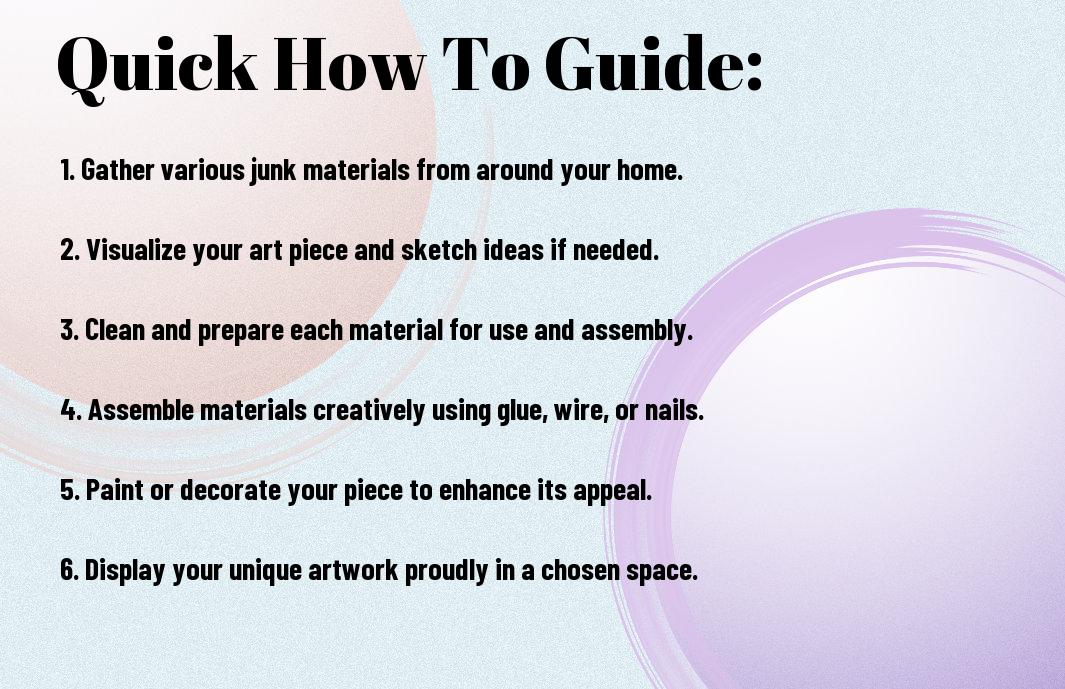
Gathering Materials and Tools
One of the most exciting steps in turning junk into art is gathering materials and tools. You will need to collect various items, such as old furniture, fabric, and paper, to create your unique piece of art. You can find these items at thrift stores, garage sales, or even in your own backyard.
Essential Supplies for Upcycling
There’s a wide range of supplies you’ll need to get started with upcycling, including paints, glues, and scissors. You’ll also need a variety of materials like wood, metal, and fabric to create your art. You can find these supplies at craft stores or online.
Equipment for Various Art Forms
Gathering the right equipment for your art form is vital. You’ll need to consider the type of art you want to create and the materials you’ll be working with. For example, if you’re creating a sculpture, you’ll need a workspace with proper ventilation and safety equipment.
This equipment will vary depending on the type of art you’re creating, but some common items include drills, saws, and sanders. You’ll also need to consider your safety, so make sure you have gloves, goggles, and a mask to protect yourself from harm. As you collect your equipment, you’ll be able to start bringing your vision to life and turning your junk into a beautiful work of art.
Preparing Your Workspace
Despite the creative chaos that often comes with turning junk into art, a well-organized workspace is vital for productivity and inspiration. You will need a dedicated area where you can spread out your materials and work on your projects without distractions or interruptions.
Setting Up a Safe and Efficient Studio
Now that you have designated a space for your art, consider the layout and equipment you will need to work safely and efficiently. You should have good lighting, a comfortable work surface, and storage for your supplies.
Tips for Organizing Your Creative Space
Workwise, your space should be functional and easy to navigate. To achieve this, consider the following tips:
- Label your storage containers
- Keep frequently used tools accessible
Assume that a well-organized space will help you stay focused and inspired as you work on your junk art projects.
Setting up your workspace is an ongoing process, and you will likely need to make adjustments as you work on different projects. To optimize your space, consider the following tips:
- Use a pegboard to hang your tools
- Invest in a comfortable and ergonomic chair
Assume that a well-designed workspace will allow you to express your creativity and bring your junk art visions to life.
Exploring Different Art Forms
Once again, you’ll find that transforming junk into art opens up a world of creative possibilities, and it’s up to you to decide which path to take, with various art forms to explore and express your unique vision.
Painting and Drawing with Recycled Materials
To get started with painting and drawing, you can use recycled materials like old paper, cardboard, or fabric, allowing you to add texture and depth to your artwork, and giving you the freedom to experiment with different techniques and styles.
Sculpting and Building with Junk
Little by little, you can collect and assemble discarded items to create three-dimensional sculptures, giving new life to objects that would otherwise end up in a landfill, and enabling you to showcase your creativity and skill.
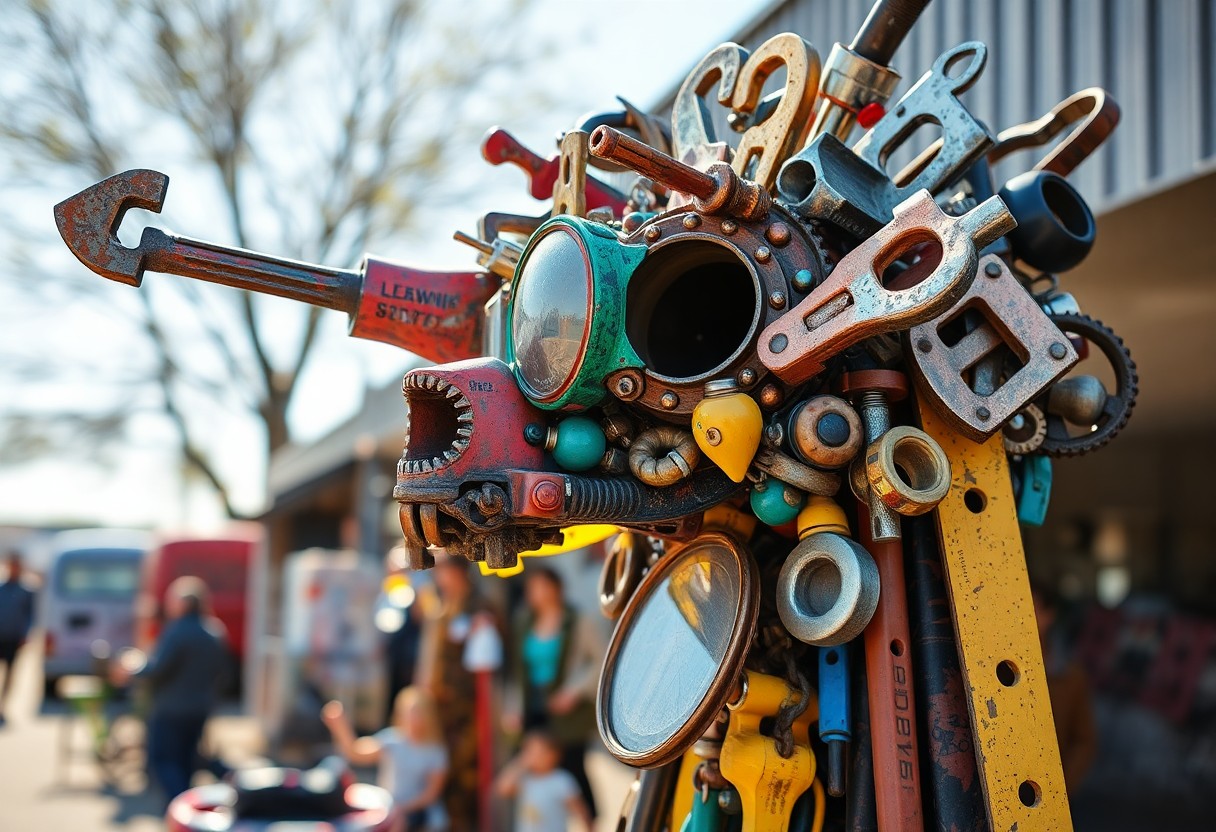
Plus, as you examine deeper into sculpting and building with junk, you’ll discover the versatility of various materials, from metal and wood to plastic and glass, and you can combine them in innovative ways to create complex, thought-provoking pieces that reflect your artistic vision and inspire others to see the potential in discarded objects.
Adding the Final Touches
Keep in mind that the final touches can make or break your artwork, so take your time and be patient. You’ve worked hard to create a unique piece, and now it’s time to enhance its beauty.
Finishing Techniques for a Professional Look
Obviously, one of the most effective ways to give your artwork a professional look is to use techniques such as varnishing or waxing. You can choose from a variety of finishes to achieve the desired effect, and with a little practice, you’ll be able to apply them like a pro.
Sealing and Protecting Your Masterpiece
Magnificently, masterpiece creators know that protecting their work is imperative. You’ll want to seal your artwork to prevent damage from dust, moisture, and UV light, ensuring it lasts for years to come.
Above all, applying a sealant will not only protect your artwork but also enhance its appearance. You can use a variety of sealants, such as varnish or resin, to give your piece a glossy or matte finish, depending on your preference. By taking the time to properly seal and protect your masterpiece, you’ll be able to enjoy it for years to come, and it will remain a testament to your creativity and skill.
Displaying and Sharing Your Art
Now that you have created your art, it’s time to show it off. You can get inspiration from Turn Your Trash Into Art articles to learn how to display your pieces.
Choosing the Right Venue or Platform
Sharing your art with the world can be exciting, and you have many options to choose from, including local galleries, online marketplaces, and social media platforms.
Pricing and Selling Your Unique Creations
Venue selection plays a significant role in pricing your art, as different platforms have varying fees and commission rates, so you need to consider these factors when determining the price of your unique creations.
Displaying your art in a way that showcases your creativity and attention to detail is important, and when it comes to pricing and selling, you should consider the materials used, time spent, and the platform’s fees to ensure you’re getting a fair price for your unique pieces, and as you sell your art, you’ll gain experience and can adjust your pricing strategy accordingly.
Final Words
From above, you have learned the creative ways to transform junk into art. You can now breathe new life into discarded items, making your space unique. With your imagination and skills, you will turn trash into treasures, giving your home a personal touch. You will create stunning pieces, showcasing your artistic side, and making a statement with your one-of-a-kind creations.
FAQ
Q: What materials can be used to turn junk into art?
A: A wide range of materials can be used to turn junk into art, including old machinery parts, discarded plastic and glass containers, wooden scraps, fabric remnants, and even electronic waste. The key is to think creatively and consider the texture, color, and shape of each item and how it can be transformed into a unique piece of art. For example, old CDs can be used to create mosaic artworks, while plastic bottles can be transformed into planters or sculptures.
Q: What are the basic steps involved in turning junk into art?
A: The basic steps involved in turning junk into art include collecting and sorting materials, cleaning and preparing the materials, designing and planning the artwork, and finally, assembling and creating the piece. It’s also important to consider the theme, message, or emotion that you want to convey through your artwork and to experiment with different techniques and mediums to achieve the desired effect. Additionally, safety precautions should be taken when working with certain materials, such as sharp objects or toxic substances.
Q: How can I display and showcase my junk art creations?
A: There are many ways to display and showcase junk art creations, depending on the size, shape, and type of artwork. Smaller pieces can be displayed on shelves or in glass cases, while larger pieces can be mounted on walls or placed on pedestals. You can also consider exhibiting your work in local art galleries, cafes, or community centers, or participating in art fairs and festivals. Online platforms, such as social media and art websites, can also be used to share your creations with a wider audience and connect with other artists and art enthusiasts. Proper lighting and captioning can help to enhance the overall presentation and appreciation of your artwork.
